
 March 7, 2025
This Protein Packed Super Food is a Star of Mediterranean Cuisine
Eating healthy means eatings lots of fruits and vegetables and fewer processed foods. One of the reasons food found in the Mediterranean area is so healthy is that it naturally includes a lot of healthy ingredients in those recipes.
When you consume a lot of fruits and vegetables however, there’s less room for meat on your plate. Most of the time, this is a good thing. Too much meat can lead to weight gain and may cause inflammation or other problems.
Meat is an important source of protein though, so how can you eat a plant-based diet and still get enough of this vital nutrient?
Meet the Legume
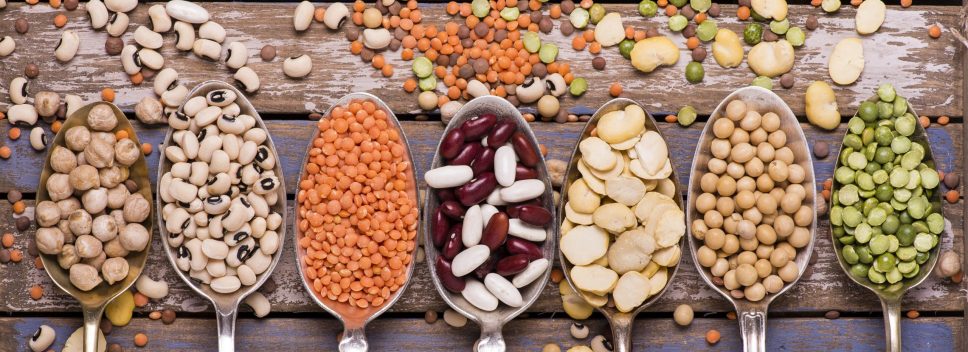
Legumes are things like lentils, peas and beans. They provide a lot of plant-based protein, and are a well-loved part of Mediterranean food. Just think about the last time you visited a Mediterranean restaurant. That Hummus and Falafel were packed with legumes.
Legumes are any bean or seed that grows inside of a fleshy pod. Peas and beans grow in pods, and so do chickpeas. Believe it or not, although many people think that peanuts are nuts, they’re actually legumes. The pod that hangs from the top of the plant buries itself in the soil when it’s done growing.
Although legumes may look very different from each other, they all have something in common—they’re packed with protein.
These proteins can help take the place of meats when you’re focused on a healthier, plant-based diet. Regardless of your preferred dietary style, from vegan to omnivore, legumes can be a very healthy addition to your diet.
Other Benefits of Legumes
Legumes have an incredible number of health benefits. They can protect you from Type 2 Diabetes, improve blood sugar and blood fat for those who do have diabetes, and lower blood pressure and cholesterol. They can also help control weight and lower the risk of heart related problems.
That’s a lot of benefits!
Although studies have shown they help with all of these concerning health conditions, they’re also outright nutritious. Legumes contain fiber, protein, carbohydrate, B vitamins, iron, copper, magnesium, manganese, zinc, and phosphorous. They’re also naturally low in fat, and cholesterol free.
As part of a balanced diet, they are a fantastic option that brings so much to the table. Whether you like a rich chili, a heaping pile of peas, or hummus, eating legumes is a great way to invest in your health.
How to Get More Legumes
Legumes are easy to include in a healthy diet. Remember that wonderful Hummus and Falafel? Simply ordering those the next time you head over to Aladdin’s can be a great way to give your body a nutritious boost.
As little as one helping of legumes a week could be enough for you to see improvements in your own health. If you love Mediterranean food and can’t wait to tuck into your favorite dishes, use your health as a great reason to stop by Aladdin’s weekly.